
Ipamorelin Peptide
Overview
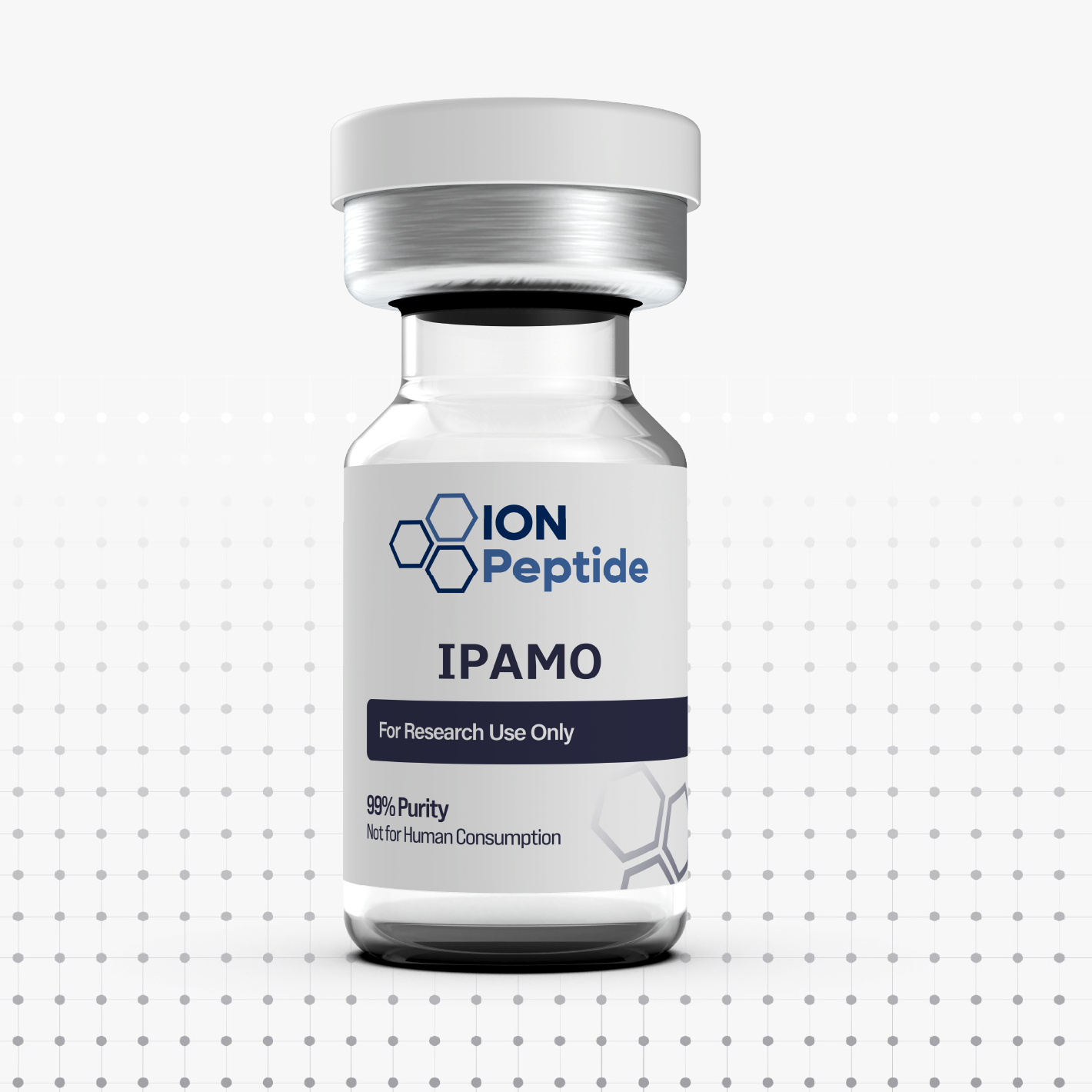
Ipamorelin Peptide is a synthetic peptide that has been examined in scientific literature and laboratory settings for its biochemical properties and interactions with biological signaling systems. As interest in peptide science has expanded, researchers have investigated a wide range of synthetic peptides to better understand molecular mechanisms, receptor interactions, and peptide stability characteristics.
This material is intended exclusively for laboratory research, analytical testing, and scientific investigation conducted by qualified professionals.
What Is Ipamorelin?
Ipamorelin is a synthetic peptide compound that belongs to a category of peptides studied for their interactions with specific biological receptors and signaling pathways. Researchers may utilize Ipamorelin as part of laboratory investigations involving peptide characterization, molecular biology, analytical chemistry, and receptor biology.
Scientific interest in peptides continues to grow due to their structural diversity and their usefulness as research tools in controlled experimental settings. Buy Ipamorelin Peptide
Researchers frequently examine peptide compounds such as Ipamorelin to better understand:
- Molecular interactions
- Receptor binding characteristics
- Peptide stability
- Structural properties
- Analytical detection methods
- Biochemical behavior under controlled conditions
Research Applications
Ipamorelin may be utilized in a variety of laboratory-based research environments.
Peptide Characterization Studies
Researchers often conduct analytical investigations to evaluate:
- Molecular identity
- Structural integrity
- Purity assessment
- Stability characteristics
- Degradation profiles
Such studies help improve scientific understanding of peptide behavior under defined laboratory conditions.
Analytical Method Development
Peptide compounds may be used during the development and validation of laboratory methods, including:
- Chromatographic procedures
- Spectroscopic analysis
- Reference standard evaluations
- Method verification protocols
- Laboratory quality assessments
Molecular Biology Research
Peptides are frequently incorporated into scientific investigations involving molecular signaling and biological communication systems.
Research may focus on:
- Signal transduction pathways
- Molecular interactions
- Cellular response mechanisms
- Receptor biology
- Experimental model development
Biochemical Investigations
Laboratories may utilize peptide materials during studies designed to explore biochemical processes and interactions within controlled experimental environments. Buy Ipamorelin Peptide
Scientific Interest in Peptide Research
Peptide science has become an increasingly important field within modern biological and biochemical research. Synthetic peptides provide researchers with valuable tools for examining molecular systems and testing scientific hypotheses.
Areas commonly explored within peptide research include:
- Protein and peptide chemistry
- Structural biology
- Molecular pharmacology
- Biochemistry
- Cellular biology
- Receptor science
- Analytical chemistry
The growing body of scientific literature involving peptide compounds continues to contribute to a broader understanding of biological systems and molecular communication pathways.
Quality Documentation
Researchers often require access to quality documentation when working with laboratory materials.
Quality-related documentation may include:
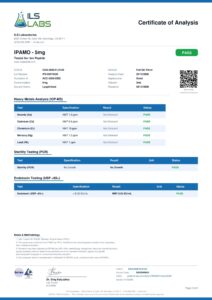
- Certificate of Analysis (COA)
- Batch identification records
- Purity data
- Identity confirmation
- Analytical testing results
- Laboratory quality review documentation
Researchers should review all available documentation prior to incorporating materials into laboratory studies.
Laboratory Standards
Scientific investigations depend upon consistency, documentation, and adherence to established laboratory practices.
Researchers should ensure:
- Proper recordkeeping
- Standardized laboratory procedures
- Equipment calibration
- Controlled testing environments
- Appropriate sample handling
- Accurate data collection
Maintaining laboratory standards helps support reproducibility and scientific integrity.
Storage Considerations
Appropriate storage conditions are important for maintaining the integrity of peptide materials.
General laboratory recommendations may include:
- Following product-specific documentation
- Maintaining controlled storage conditions
- Minimizing exposure to environmental contaminants
- Preventing unnecessary temperature fluctuations
- Using appropriate laboratory containers
Researchers should always follow the storage guidance provided with the material and adhere to institutional laboratory procedures. Ipamorelin Peptide
Safe Laboratory Handling
Only qualified personnel should handle research peptides.
Recommended laboratory practices include:
- Wearing appropriate personal protective equipment
- Following institutional safety procedures
- Maintaining proper documentation
- Using suitable laboratory equipment
- Handling materials in controlled environments
- Avoiding contamination during analytical procedures
Researchers are responsible for complying with all applicable safety standards and laboratory regulations.
Technical Information
Researchers may record and verify technical information as part of their quality-control and documentation processes.
Information commonly maintained includes:
- Product identification
- Batch number
- Research classification
- Storage conditions
- Testing documentation
- Analytical records
Accurate documentation supports traceability and scientific recordkeeping.
Research Environment Requirements
This material is intended solely for use in:
- Research laboratories
- Academic institutions
- Analytical facilities
- Scientific testing environments
- Professional research organizations
Use should be limited to qualified professionals with appropriate training and experience in laboratory procedures. Ipamorelin Peptide
Research Use Only Disclaimer
This material is supplied strictly for research purposes.
Not for human consumption.
Not for therapeutic use.
Not for diagnostic use.
Not for clinical use.
Not for veterinary use.
This product has not been approved for use in the diagnosis, treatment, cure, or prevention of any disease.
Researchers are solely responsible for ensuring compliance with all applicable laws, regulations, institutional requirements, and laboratory safety procedures.
Additional Information
Researchers should consult relevant scientific literature, institutional guidelines, and laboratory protocols before conducting any investigation involving peptide materials.
All studies should be performed by trained professionals in appropriately equipped research environments using established scientific methods and safety procedures.