
Glutathione (GSH) Peptide – Research-Grade Antioxidant Compound
Premium Research-Grade Glutathione for Scientific Research
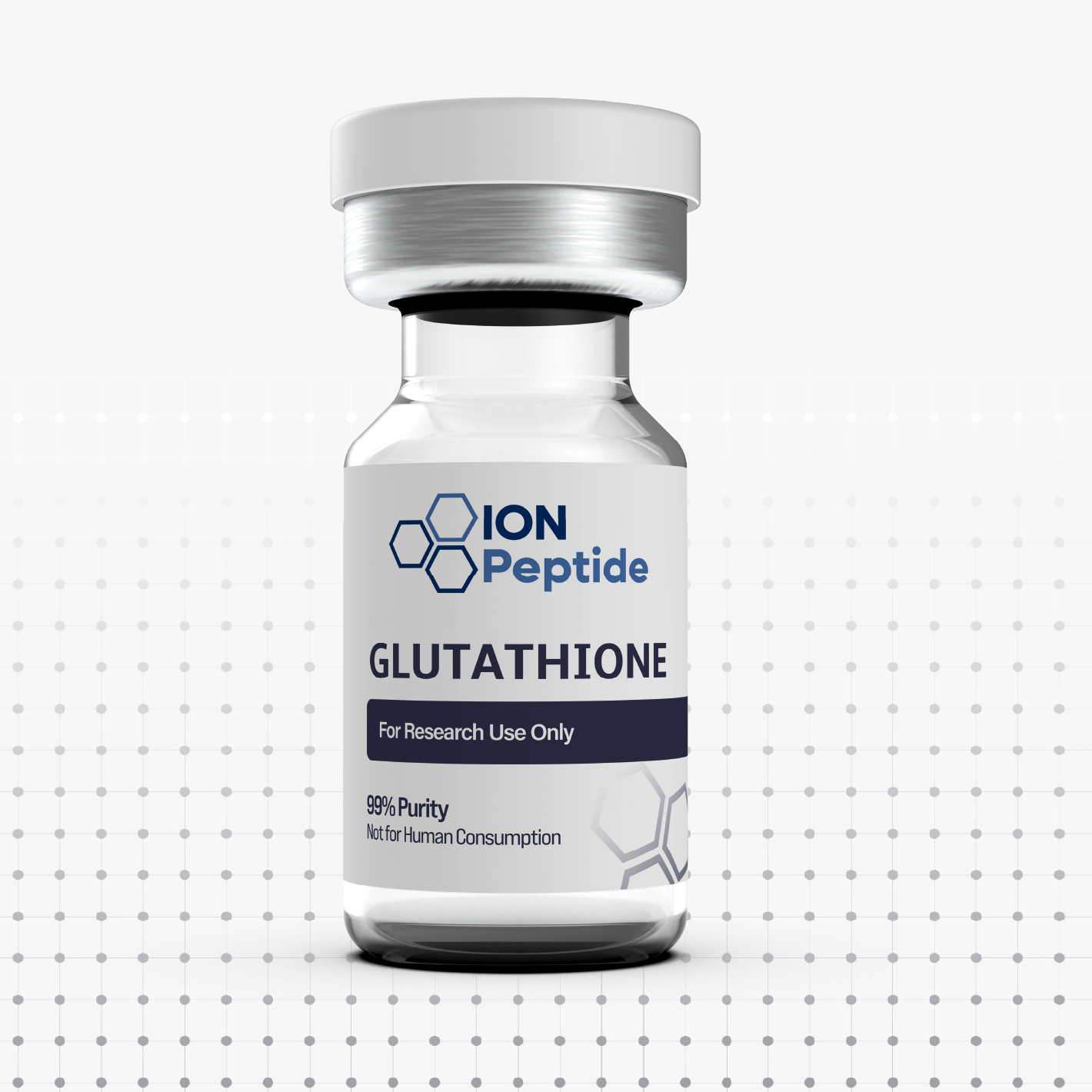
Glutathione Peptide is one of the most extensively studied antioxidant compounds in modern scientific research. This naturally occurring tripeptide, composed of glutamate, cysteine, and glycine, plays a central role in cellular redox balance, oxidative stress research, mitochondrial function studies, and numerous biochemical pathways.
Researchers across multiple scientific disciplines continue to investigate glutathione due to its involvement in antioxidant defense systems, cellular signaling mechanisms, metabolic regulation, and detoxification pathways. As a result, Glutathione remains one of the most recognized and widely utilized compounds in laboratory research environments. Glutathione Peptide
At Ion Peptide, we provide high-purity research-grade Glutathione manufactured and handled according to strict quality standards. Our commitment to quality assurance helps ensure researchers receive reliable compounds suitable for professional laboratory applications.
For Research Use Only. Not for human consumption or therapeutic use.
What Is Glutathione (GSH)?
Glutathione, commonly abbreviated as GSH, is a naturally occurring tripeptide consisting of three amino acids:
- Glutamic Acid
- Cysteine
- Glycine
Within scientific literature, glutathione is widely recognized for its role in maintaining intracellular redox homeostasis and supporting cellular antioxidant systems. Researchers frequently investigate glutathione because it participates in numerous biochemical processes associated with cellular balance and oxidative stress responses.
Glutathione exists primarily in two forms:
Reduced Glutathione (GSH)
The active antioxidant form commonly studied in laboratory settings.
Oxidized Glutathione (GSSG)
The oxidized form produced during cellular redox reactions.
The ratio between GSH and GSSG is often utilized by researchers as an indicator of cellular oxidative status and redox balance. Glutathione Peptide
Due to its widespread presence throughout biological systems, glutathione remains a key subject of interest in cellular biology, molecular biology, biochemistry, and metabolic research.
Glutathione Research Applications
Glutathione has become a valuable research compound because of its broad involvement in cellular function and biochemical regulation.
Common laboratory research applications include:
Oxidative Stress Research
Researchers frequently utilize glutathione to investigate oxidative stress pathways, reactive oxygen species (ROS), and cellular antioxidant responses. Glutathione Peptide
Cellular Redox Balance Studies
Glutathione is often examined for its role in maintaining intracellular redox equilibrium and supporting cellular stability under various experimental conditions.
Mitochondrial Function Research
Many scientific studies explore glutathione’s interaction with mitochondrial activity, energy production pathways, and cellular metabolism.
Detoxification Pathway Investigation
Researchers continue to investigate glutathione’s participation in cellular detoxification mechanisms and conjugation processes.
Molecular Biology Research
Glutathione is commonly studied in experiments involving signal transduction, protein regulation, gene expression, and intracellular communication pathways.
Biochemical Research
Numerous laboratory studies incorporate glutathione to better understand enzymatic reactions, metabolic pathways, and cellular regulatory systems. Buy Glutathione Peptide
Benefits of Glutathione in Research
Researchers continue to study glutathione because of its unique biochemical characteristics and widespread involvement in cellular systems.
Highly Researched Antioxidant Compound
Glutathione is among the most extensively documented intracellular antioxidants found in scientific literature. Glutathione Peptide
Supports Redox Biology Research
The GSH/GSSG relationship provides researchers with a valuable marker for assessing redox balance and oxidative conditions.
Useful Across Multiple Research Fields
Glutathione research spans:
- Cellular Biology
- Molecular Biology
- Biochemistry
- Toxicology
- Metabolic Research
- Mitochondrial Studies
- Oxidative Stress Research
- Aging Research
- Antioxidant Pathway Investigation
Valuable Laboratory Research Tool
Its involvement in numerous biochemical processes makes glutathione an important component of many experimental models.
Extensive Scientific Literature
Thousands of published studies continue to investigate glutathione’s role in cellular function and biochemical regulation.
Why Researchers Study Glutathione
Scientific interest in glutathione continues to expand because of its broad role in biological systems.
Researchers commonly investigate glutathione to better understand:
- Cellular antioxidant defense mechanisms
- Oxidative stress responses
- Reactive oxygen species interactions
- Cellular signaling pathways
- Mitochondrial regulation
- Metabolic processes
- Redox homeostasis
- Detoxification pathways
- Intracellular communication systems
- Biochemical adaptation mechanisms
Because glutathione is present in virtually every cell type, it remains one of the most important compounds studied in cellular and molecular research.
Its relevance across multiple scientific disciplines continues to drive interest in glutathione-focused laboratory investigations worldwide.
Scientific Interest in Glutathione Research
Glutathione remains a focal point of scientific research because of its participation in numerous biochemical and cellular processes.
Current areas of research interest include:
- Cellular antioxidant networks
- Redox signaling pathways
- Mitochondrial function
- Oxidative balance regulation
- Cellular adaptation mechanisms
- Metabolic pathway investigation
- Protein regulation studies
- Molecular signaling research
- Enzymatic activity analysis
- Intracellular communication systems
The growing body of literature surrounding glutathione demonstrates its continued importance as a research compound across a variety of scientific disciplines.
Why Choose Palmetto Peptides Lab
When sourcing research compounds, quality and consistency matter.
Researchers choose Palmetto Peptides Lab because we are committed to delivering reliable research-grade products backed by rigorous quality standards.
High-Purity Research Compounds
Our products are manufactured and handled according to strict quality control protocols designed to support laboratory research applications.
Research-Focused Product Selection
Every compound in our catalog is intended specifically for scientific and laboratory research purposes.
Trusted USA Supplier
Researchers throughout the United States trust Palmetto Peptides Lab for dependable access to premium research compounds.
Fast USA Shipping
We provide efficient USA shipping to help researchers receive their products quickly and securely.
Quality-Driven Standards
Every product is handled with a focus on consistency, transparency, and quality assurance.
Dedicated Customer Support
Our team is committed to providing a professional purchasing experience for research professionals and laboratory customers. Glutathione Peptide
Quality Assurance
Quality assurance remains one of the most important aspects of research compound manufacturing and distribution.
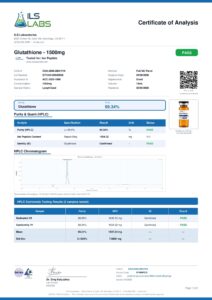
At Palmetto Peptides Lab, every Glutathione batch is subject to comprehensive quality procedures designed to support product integrity and consistency.
Our quality-focused process may include:
- Identity Verification
- Purity Testing
- Batch Documentation
- Quality Control Review
- Laboratory Handling Procedures
These standards help ensure researchers receive compounds that meet high expectations for laboratory use.
Safe Laboratory Handling
Glutathione should only be handled by qualified professionals operating within controlled laboratory environments.
Recommended laboratory practices include:
- Following institutional safety guidelines
- Utilizing appropriate protective equipment
- Maintaining proper storage conditions
- Documenting laboratory procedures
- Using controlled research environments
- Following applicable regulatory requirements
Proper handling practices help maintain product integrity throughout the research process.
Frequently Asked Questions
What is Glutathione (GSH)?
Glutathione is a naturally occurring tripeptide composed of glutamate, cysteine, and glycine that is widely studied in antioxidant, cellular, and biochemical research. Glutathione Peptide
What research fields commonly study Glutathione?
Researchers in cellular biology, molecular biology, biochemistry, toxicology, metabolism, oxidative stress research, and mitochondrial studies frequently investigate glutathione.
Is this product intended for human consumption?
No. This product is strictly intended for laboratory research purposes only.
Why is Glutathione widely researched?
Researchers study glutathione because of its involvement in cellular antioxidant systems, redox balance, oxidative stress pathways, metabolic regulation, and biochemical signaling.
Does Palmetto Peptides Lab offer USA shipping?
Yes. We provide fast and reliable USA shipping to researchers nationwide.
Order Glutathione (GSH) Today
If you are seeking a high-quality research-grade Glutathione supplier, Palmetto Peptides Lab is committed to providing dependable products supported by rigorous quality standards and exceptional customer service.
Our Glutathione is suitable for researchers conducting studies involving antioxidant pathways, cellular redox balance, mitochondrial function, biochemical regulation, and oxidative stress research.
Place your order today and experience the quality, consistency, and fast USA shipping trusted by research professionals across the country.
Research Use Only Disclaimer
FOR RESEARCH USE ONLY.
This product is intended solely for laboratory research, analytical testing, and scientific investigation. It is not intended for human consumption, veterinary use, therapeutic applications, or diagnostic purposes.
Products sold by Palmetto Peptides Lab are intended exclusively for qualified researchers and laboratory professionals. These statements have not been evaluated by the Food and Drug Administration. This product is not intended to diagnose, treat, cure, or prevent any disease.